
How to Pass Your NYC Co-op Board Interview: What Buyers Need to Know
For many New York City buyers, the co-op board interview can feel like the most intimidating step in the homebuying process. To understand why, it helps to understand the history of cooperative housing itself.
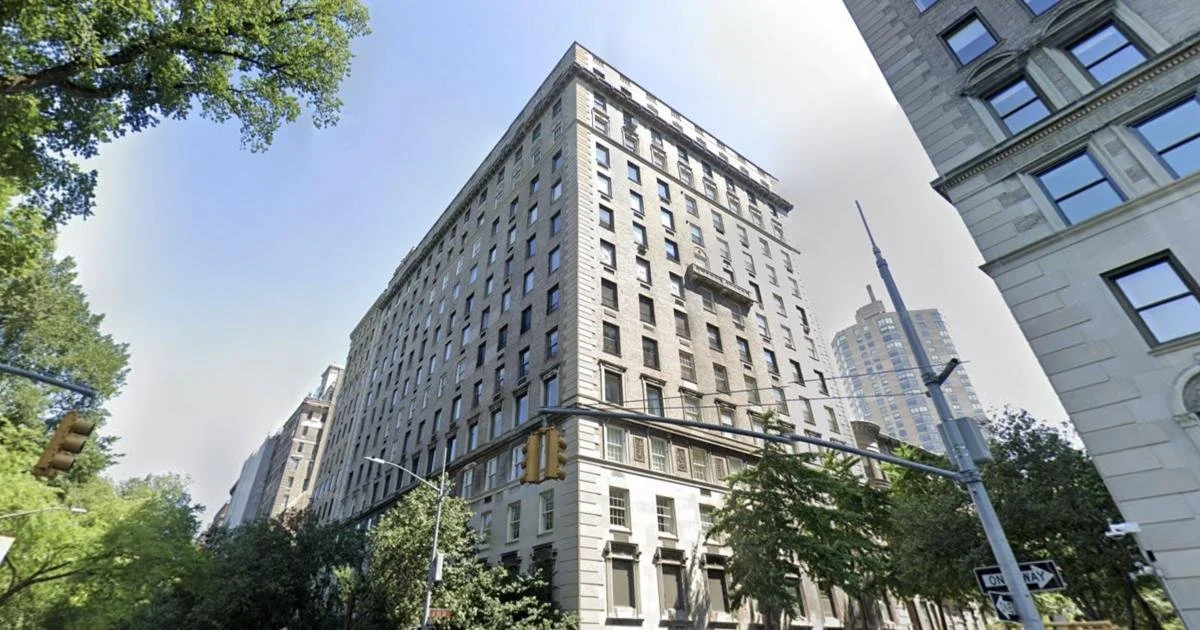
Co-ops first emerged in New York City in the late 19th century as an alternative to private townhomes, offering residents the convenience of apartment living while maintaining a high degree of oversight and community governance. One of the earliest and most influential cooperative apartment buildings was The Rembrandt, completed in 1881 on West 57th Street and widely considered one of New York City's first successful luxury co-ops. Over time, co-ops became one of the defining features of the city's residential landscape, particularly in Manhattan, where they continue to represent a significant portion of the housing market.
Unlike buying a condominium, purchasing a co-op apartment means buying shares in a corporation that owns the building rather than purchasing real property outright. In exchange, shareholders receive a proprietary lease granting them the right to occupy a specific apartment. Because residents collectively own the building, co-op boards play an important role in protecting the financial stability, culture, and long-term value of the community.

And yes, the stories are true: co-op boards hold real power.
Boards are generally not required to disclose why a buyer was denied, making approval one of the most uniquely New York aspects of real estate. Over the years, celebrity rejection stories have become part of Manhattan real estate lore. Rumors have swirled that figures including Madonna and Richard Nixon struggled to gain approval from certain co-op buildings, reinforcing one important truth: wealth, status, and fame do not guarantee acceptance.
The good news? By the time you are invited to interview, much of the heavy lifting has already been done. In many cases, the board interview is less about interrogation and more about confirming fit, professionalism, and preparedness.
HOW TO PASS YOUR CO-OP BOARD INTERVIEW
Think “Professional Meeting,” Not Performance Review
The biggest misconception about board interviews is that buyers need to charm or impress the room.
In reality, most boards are simply evaluating whether you appear financially responsible, respectful, and likely to be a good neighbor. Calm, composed, and polite generally beats charismatic or overly eager.
Treat the interview with the professionalism of an important business meeting. Arrive on time, dress conservatively, and aim for polished but understated. Flashy clothing, strong fragrances, or overly casual attire can distract from what matters most. If your interview is virtual, test your technology in advance and choose a clean, quiet, neutral setting.

Know Your Package Cold
Board members may ask questions about employment, assets, debt, financing, or details within your application package. You do not need to memorize every number, but you should feel comfortable speaking confidently about your finances and application without searching through paperwork mid-conversation. If purchasing with a spouse, partner, or family member, discuss beforehand who will answer which questions so the conversation feels coordinated and natural.
Keep Answers Short and Direct
One of the easiest mistakes buyers make is oversharing. A co-op board interview is not the moment to tell your life story or steer the discussion. Answer only what is asked, stay concise, and avoid volunteering unnecessary information. Short, clear responses often make the strongest impression.
In fact, if your interview feels surprisingly brief, that is often a positive sign. Many boards simply want confirmation that the strong applicant presented on paper matches the person sitting in front of them.
Do Not Try to “Sell Yourself”
This is not a job interview. You are not pitching yourself, winning investors, or auditioning for membership in an exclusive club. Boards are generally looking for stability, professionalism, and signs that you will be an easy, respectful addition to the community. A calm demeanor, eye contact, thoughtful listening, and clear answers typically matter far more than trying to sound impressive or overly polished.
Avoid Common Interview Mistakes
There are a few avoidable missteps that can raise unnecessary concerns.
One of the biggest? Bringing up major renovation plans too aggressively. Unless the board introduces the topic, avoid diving into ambitious redesign ideas or construction plans. Even harmless enthusiasm can accidentally signal that you are assuming approval or planning disruptive renovations.
Similarly, resist asking detailed questions about upcoming projects, policies, or building politics during the interview itself. This meeting is primarily about you, not the board. hile small talk is welcome, avoid controversial topics or oversharing personal information. When in doubt, professional and neutral is usually the safest route.
Virtual Interviews Count Too
Many boards still conduct interviews over Zoom or Microsoft Teams. That means presentation still matters. Ensure your internet connection is stable, your screen name is professional, and your background is clean and distraction-free. Avoid multitasking, silence notifications, and maintain eye contact with the camera to create a more natural conversation.
What Happens After the Interview?
Most boards do not issue an immediate decision at the end of the meeting. In many cases, the board will take additional time to finalize evaluations and communicate any follow-up requests through the managing agent or real estate professionals involved in the transaction.
Final Thoughts
A co-op board interview may feel intimidating, but it is often far less dramatic than buyers imagine.
If you have made it to the interview stage, you are already well on your way. Preparation, professionalism, and a calm approach usually matter far more than perfection. The strongest applicants are typically those who are organized, financially prepared, and able to present themselves as thoughtful future neighbors.
A proper purchase application can take a month or more to prepare, and the fate of your closing often relies on the strength of your application package. Teresa Alessandro and the Making NYC Home Team have a 99% co-op approval success rate and can help guide you through your next co-op purchase or sale with confidence.