
Riverside Park to Riverside Boulevard: The Evolution of the Upper West Side Waterfront
The western edge of the Upper West Side tells a story of transformation. What is now a scenic stretch of waterfront parkland and modern residential buildings was once an industrial corridor defined by rail lines and freight yards.
Today, Riverside Park and Riverside Boulevard reflect one of Manhattan’s most remarkable evolutions, blending green space, history, and contemporary living along the Hudson River.
The Early History of Riverside Park
The origins of Riverside Park date back to the mid-19th century, when city planners envisioned turning the Hudson River shoreline into public green space. In 1865, plans were introduced to develop the area, and by the 1870s, Frederick Law Olmsted helped shape the park’s early design.
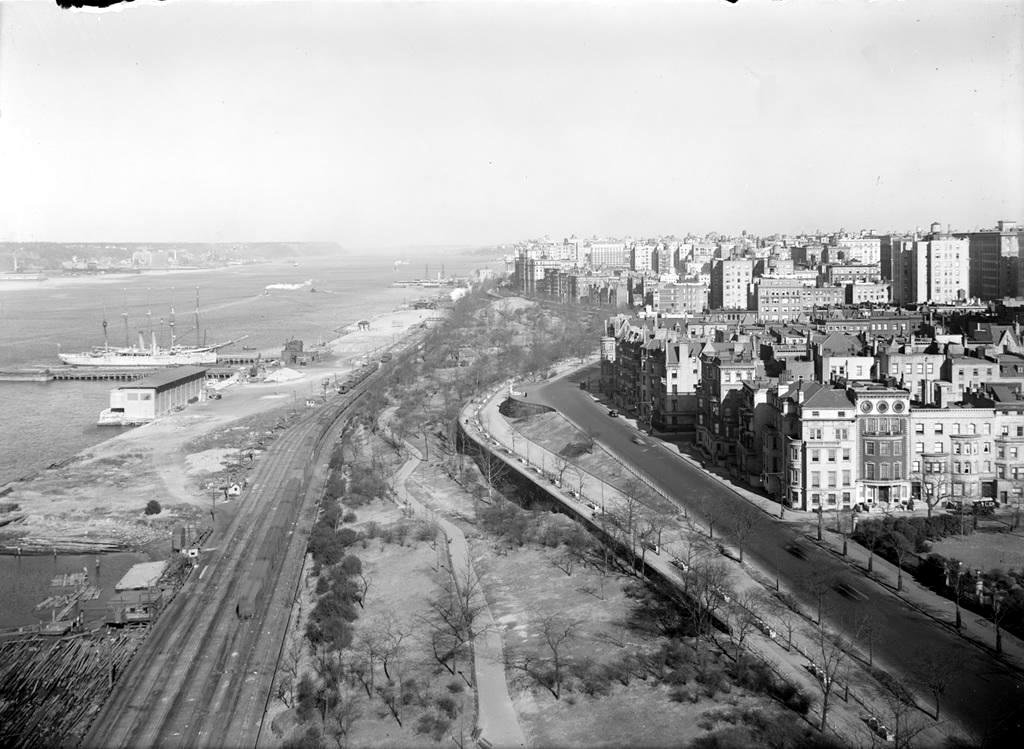
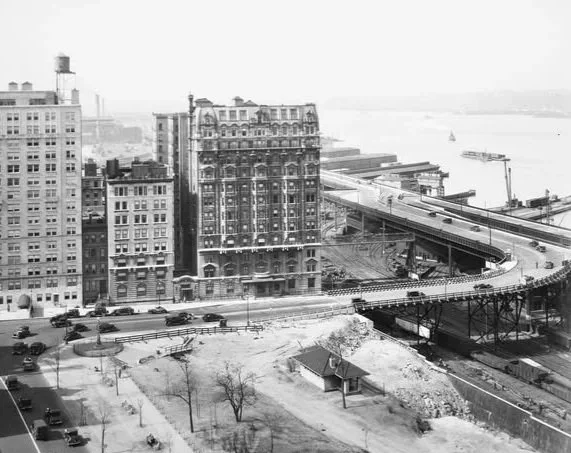
At the time, however, the waterfront was far from accessible. The Hudson River Railroad ran along the shoreline, separating the park from the water. It was not until the early 20th century—and the 1930s West Side Improvement project—that rail lines were reconfigured and parkland expanded, helping create the foundation for the park as we know it today.
From Rail Yard to Riverside Park South
The southern portion of the park, now known as Riverside Park South, remained an active rail yard well into the 20th century. The area between approximately 59th and 72nd Streets served as a major freight hub for decades.
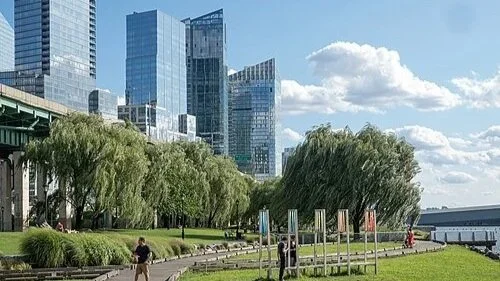
Its transformation began in the late 20th century, when plans were introduced to reclaim the waterfront for public use. Since the early 2000s, Riverside Park South has opened in phases, adding landscaped lawns, waterfront paths, and recreational spaces.
Today, the park offers a seamless connection to the Hudson River, while still preserving elements of its industrial past.
The Rise of Riverside Boulevard
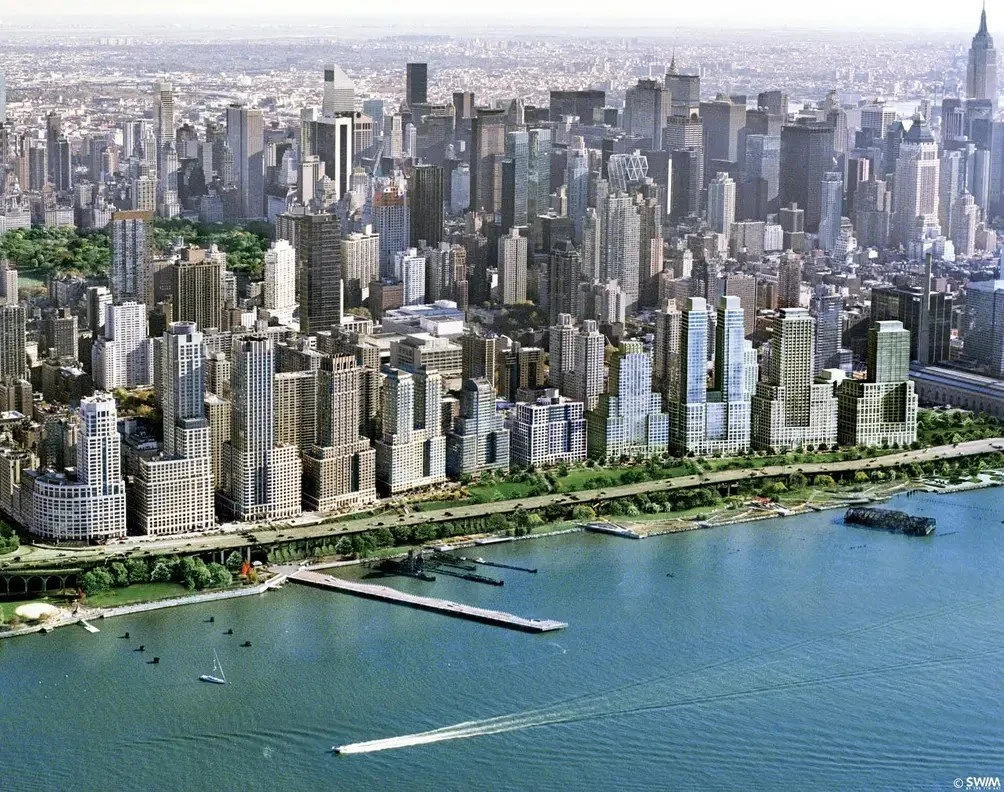
Running alongside the park, Riverside Boulevard represents the residential evolution of the area. Built on former rail yards, the boulevard is lined with modern condominium buildings designed to take advantage of river views and open space.
Development began in the late 1990s and has continued to evolve, introducing full-service buildings with extensive amenities. More recent additions, including architecturally distinctive projects like Waterline Square, have further established the area as a unique pocket of Upper West Side real estate.
Featured Upper West Side Listing: 200 Riverside Blvd., 15I
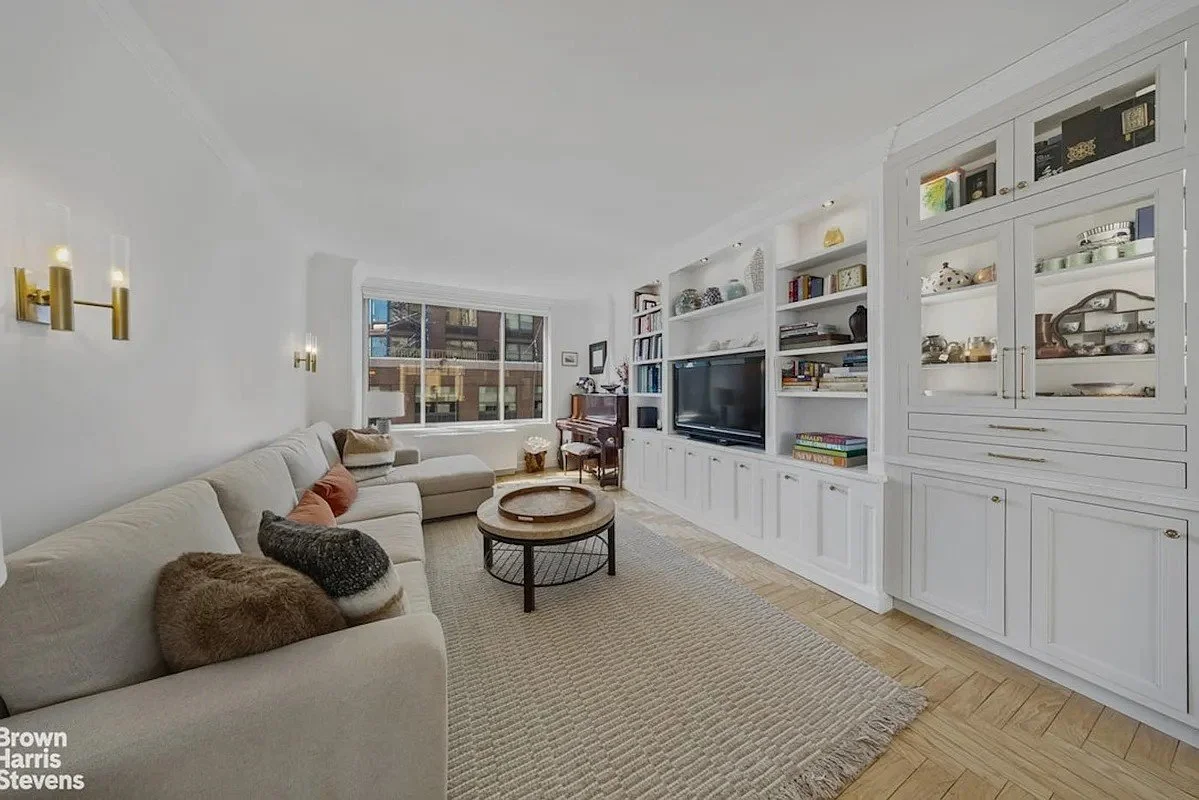
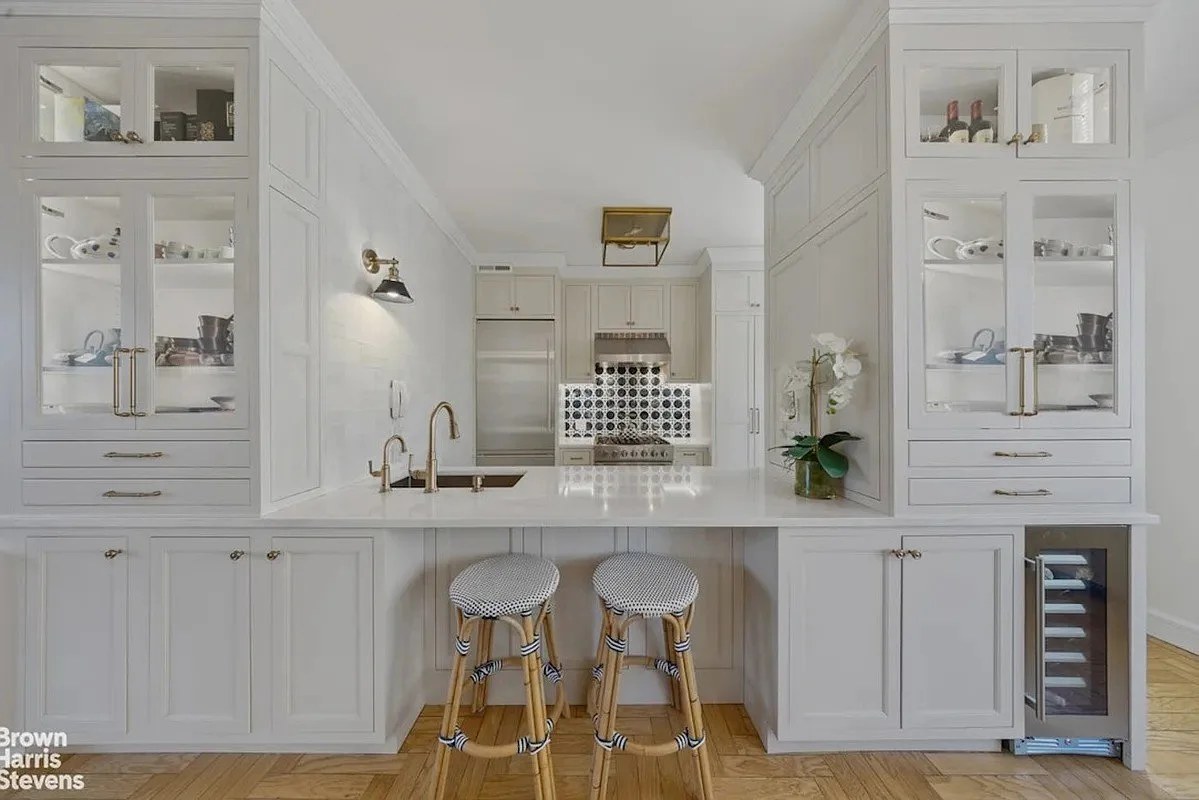
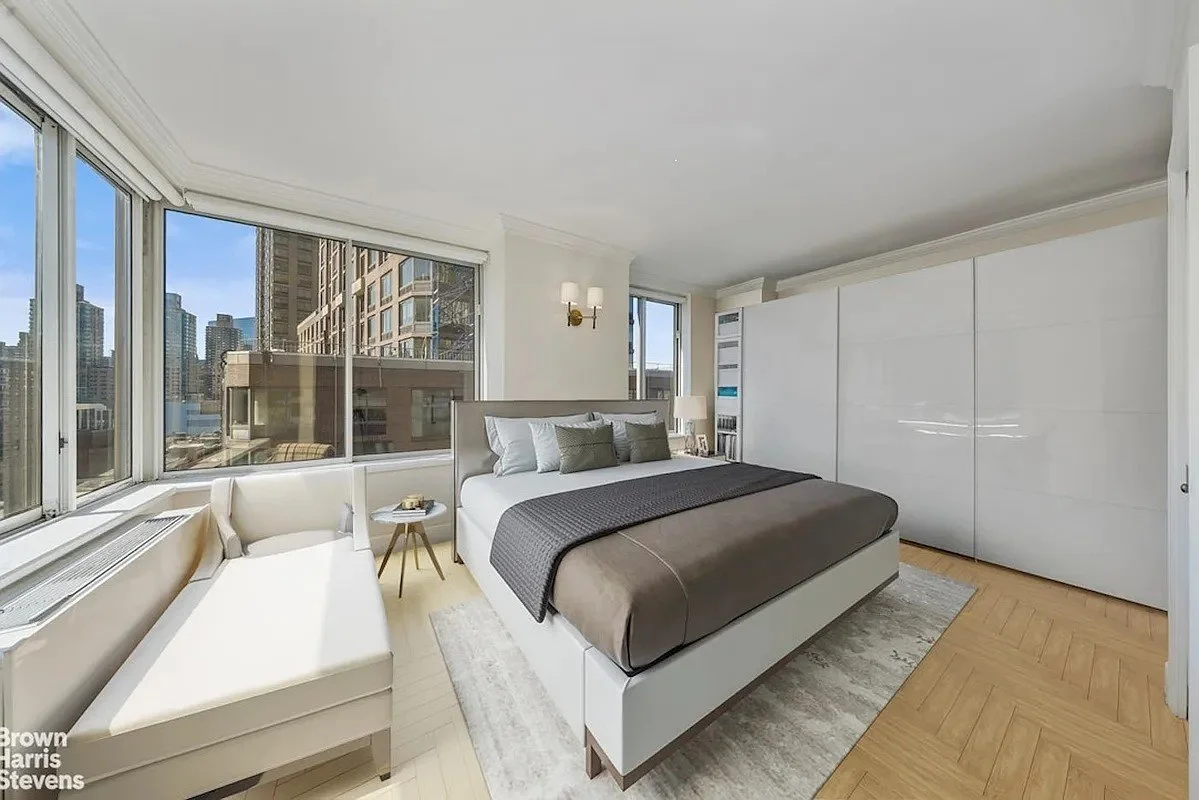
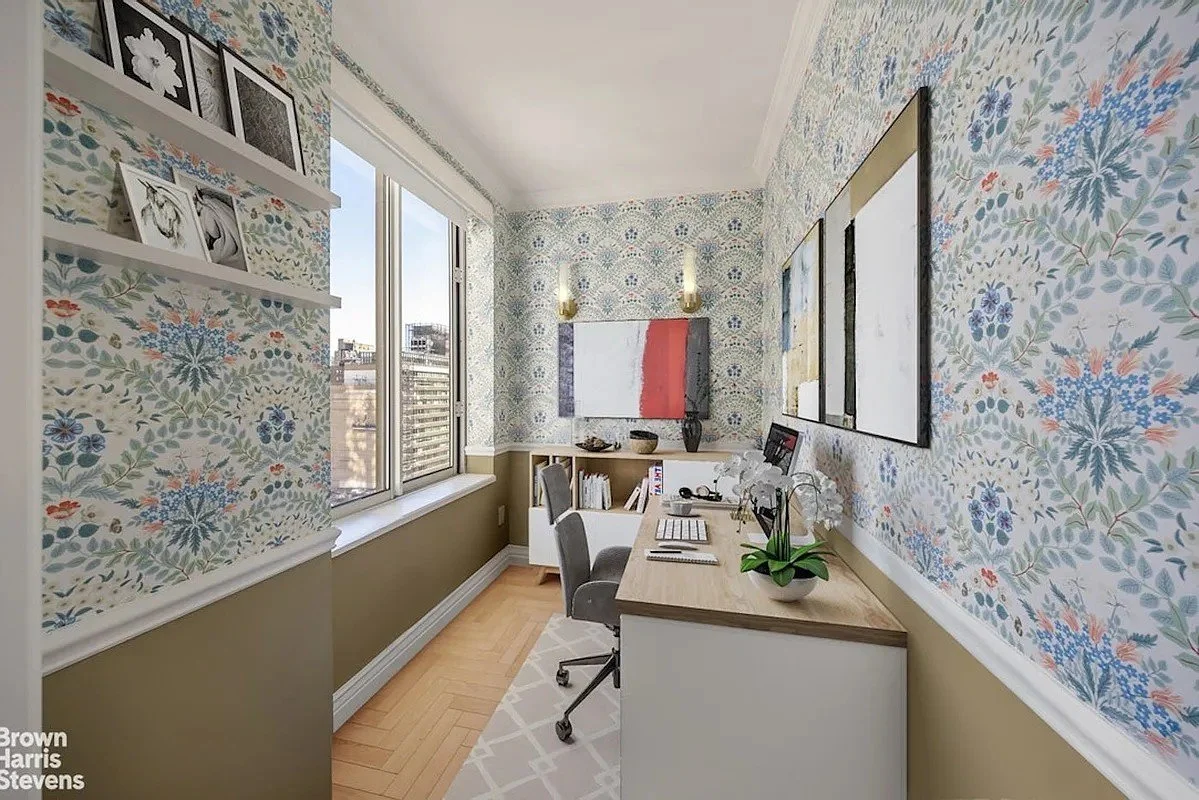
This rare and refined corner home that seamlessly blends thoughtful design with modern functionality. It is an expansive two-bedroom, two-bathroom residence with a dedicated home office (or third bedroom) that offers a sophisticated layout ideal for both everyday living and effortless entertaining. Bathed in natural light from every exposure, the home feels airy and serene - an intentional sanctuary from city life.
A New Kind of Upper West Side Living
Riverside Boulevard offers a different lifestyle than traditional Upper West Side avenues. Residents enjoy immediate access to waterfront paths, green space, and unobstructed river views, while still being close to the neighborhood’s restaurants, shops, and cultural institutions.
The result is a setting that feels both connected to the city and slightly removed from its pace.
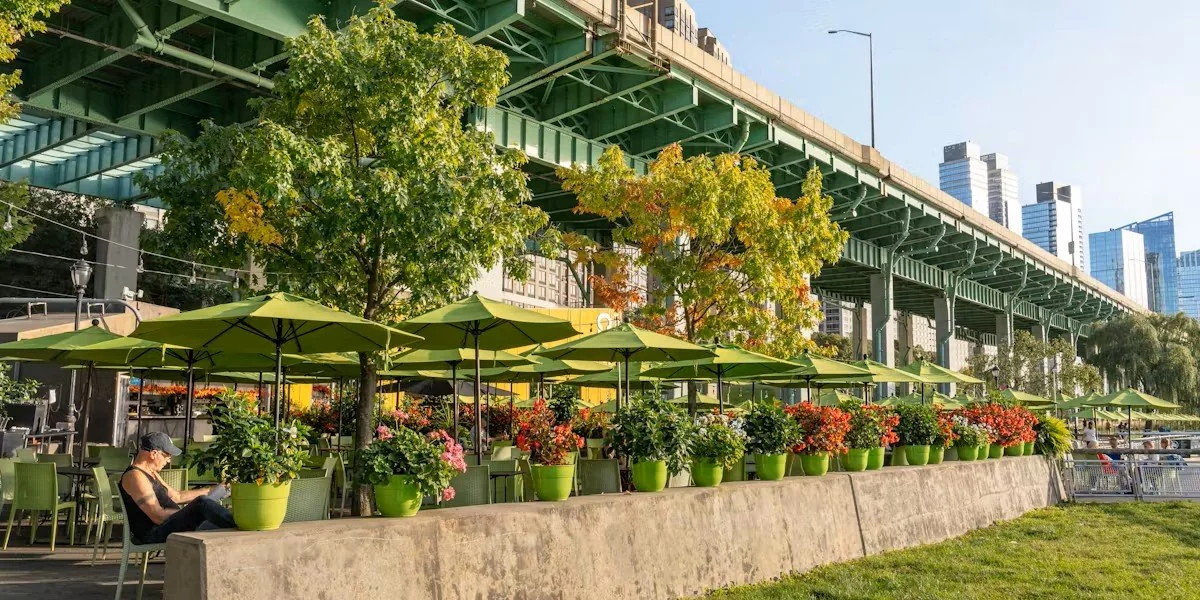
Where History Meets the Waterfront
The evolution of Riverside Park and Riverside Boulevard reflects a broader shift in New York City, transforming industrial infrastructure into livable, community-focused space.
For today’s buyers, this stretch of the Upper West Side offers something rare: modern waterfront living shaped by history, where one of the city’s former rail corridors has become one of its most peaceful and desirable places to call home.
As this area continues to evolve, it remains a compelling place to explore for those seeking both lifestyle and long-term value in Manhattan real estate. If you are considering a move to the Upper West Side or want to better understand the opportunities along Riverside Boulevard, Teresa Alessandro and her team bring a thoughtful, highly personalized approach to navigating this unique and evolving part of the neighborhood.