
Manhattan Valley: A Neighborhood With History, Character, and a Life of Its Own
One of the things I love about New York is that you can walk just a few blocks and suddenly feel like you've discovered a completely different neighborhood.
Manhattan Valley is one of those places.
Tucked between Central Park and Broadway, roughly from 96th to 110th Streets, Manhattan Valley has a personality all its own. There are beautiful prewar buildings, quieter residential streets, longtime local businesses and a mix of people and cultures that give the neighborhood a distinctly New York feel.
And while it's technically part of the Upper West Side, it has always felt like its own little corner of Manhattan.
A Neighborhood With Deep Roots
The name Manhattan Valley actually makes a lot of sense when you look at the landscape. The neighborhood sits in a natural depression that was once associated with Bloomingdale Creek.
Long before the apartment buildings and busy avenues we know today, this was a much more rural part of Manhattan. During the colonial period, the area was part of the Bloomingdale District and was home to farms and country estates.
That began to change in the 19th century as New York expanded north. Central Park opened in 1858, transportation improved, and Manhattan Valley gradually developed into a residential neighborhood.
By the late 1800s and early 1900s, brownstones, apartment buildings and neighborhood businesses were taking shape. Immigrant families, including Irish, Italian and Jewish families, became part of the community, and the streets began to look much more like the Manhattan Valley we recognize today.
Architecture That Feels Very New York
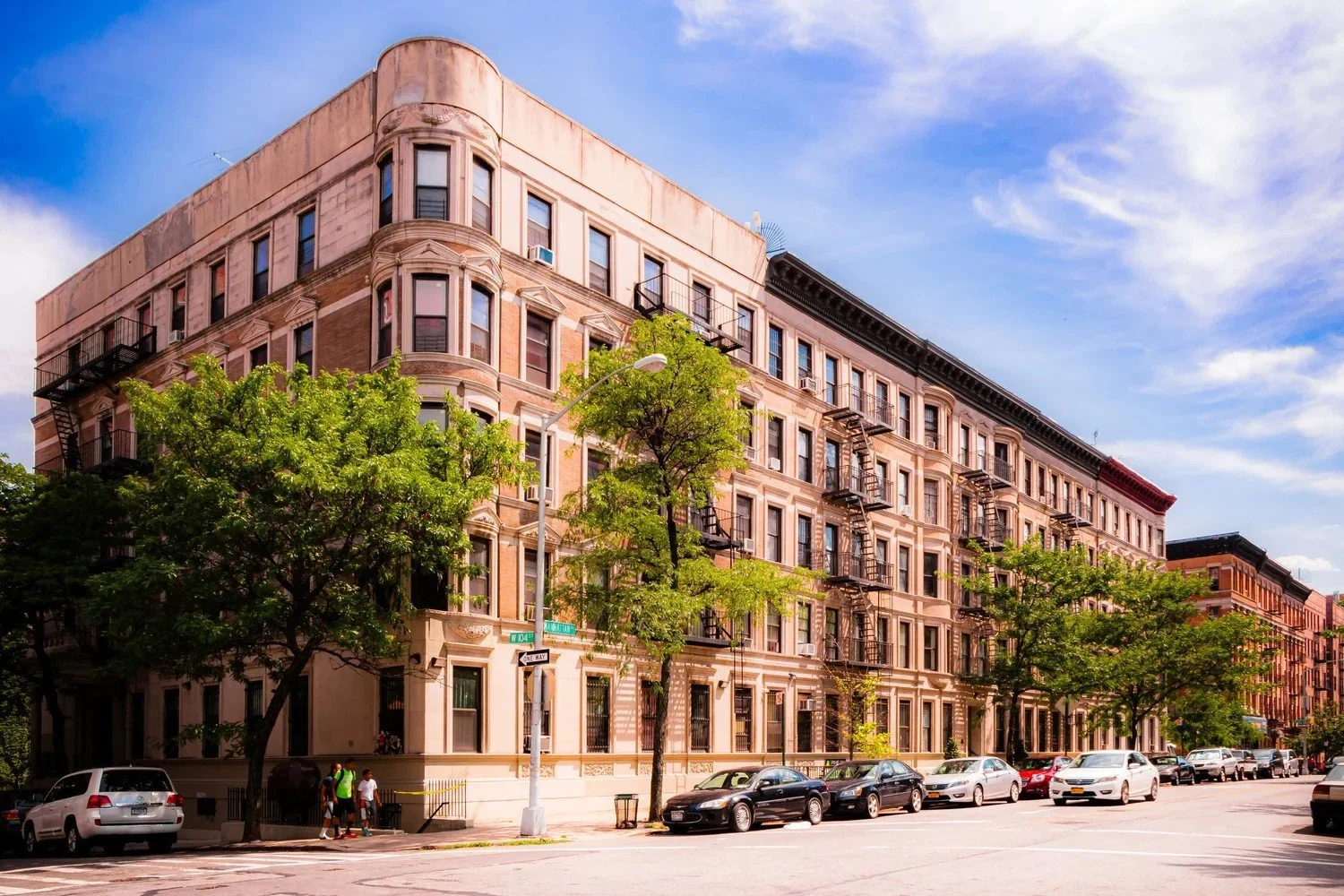
One of my favorite things about Manhattan Valley is simply looking up.
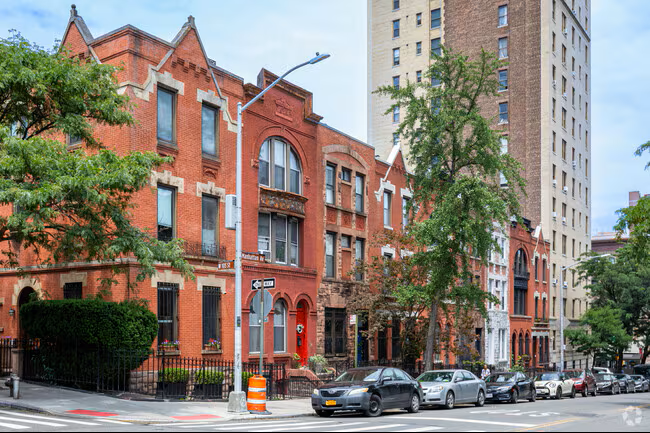
The neighborhood has a wonderful mix of Renaissance Revival brownstones, Beaux Arts apartment buildings, red brick walkups and larger prewar apartment buildings. Many of the residential streets still have that classic early 20th century Manhattan scale, with buildings sitting close to the sidewalk and trees lining the streets.
You can walk down one block and see several different chapters of New York architecture at once.
The Businesses That Give Manhattan Valley Its Personality
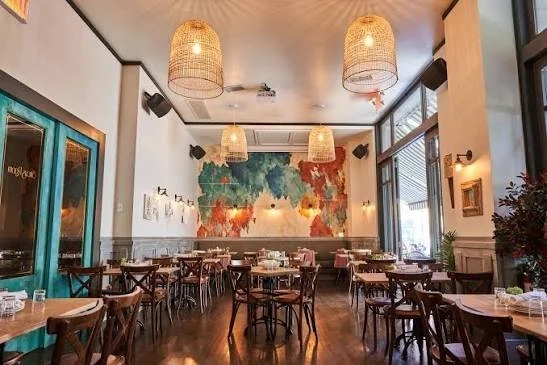
I think you really get a feel for Manhattan Valley by looking at the places people actually spend time.
You might stop into Sipsteria for coffee, meet someone for breakfast at Metro Diner, or head to Ellington for dinner. Columns Wine Bar gives the neighborhood a relaxed place to meet friends in the evening, while Book Culture brings that unmistakable Upper West Side literary and academic energy.
And then there's Silver Moon Bakery, which has been part of the neighborhood for more than two decades.
There are places for your morning coffee, weekend brunch, dinner with friends and the local spots you find yourself returning to again and again.
Featured Manhattan Valley Listing: 200 West 108th Steet 4CD
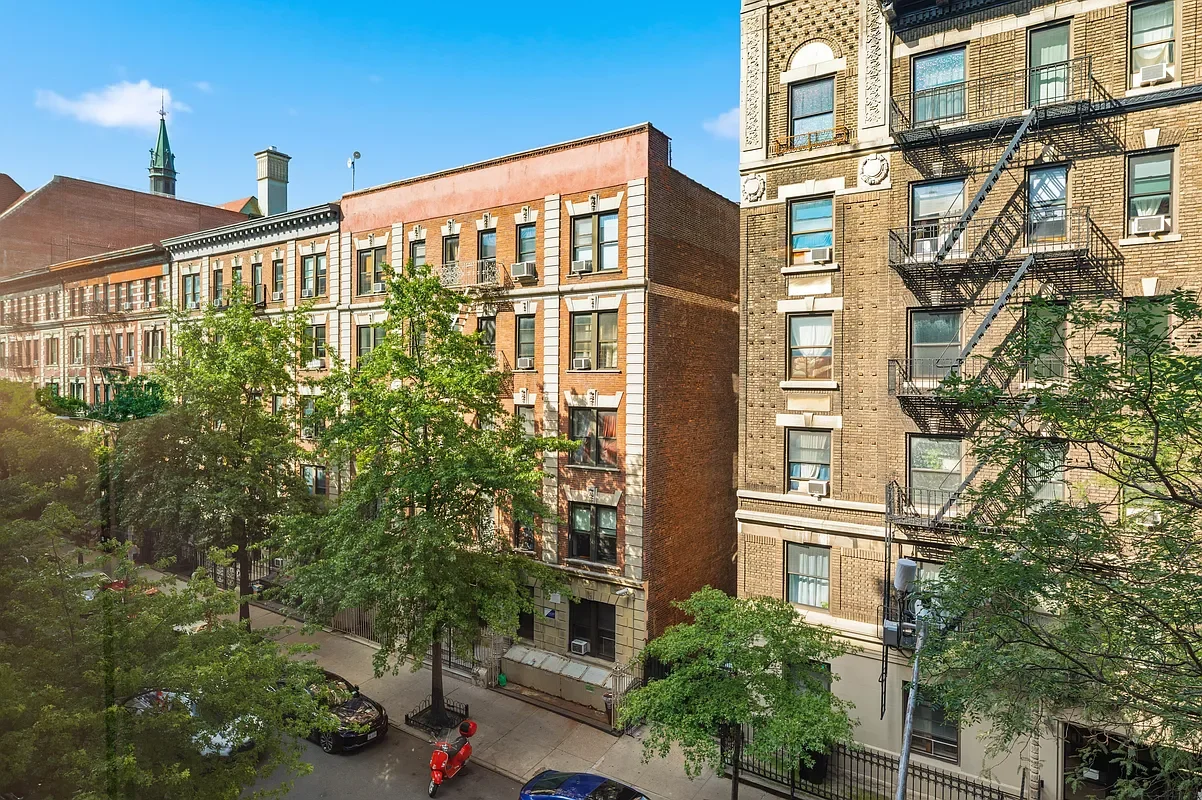
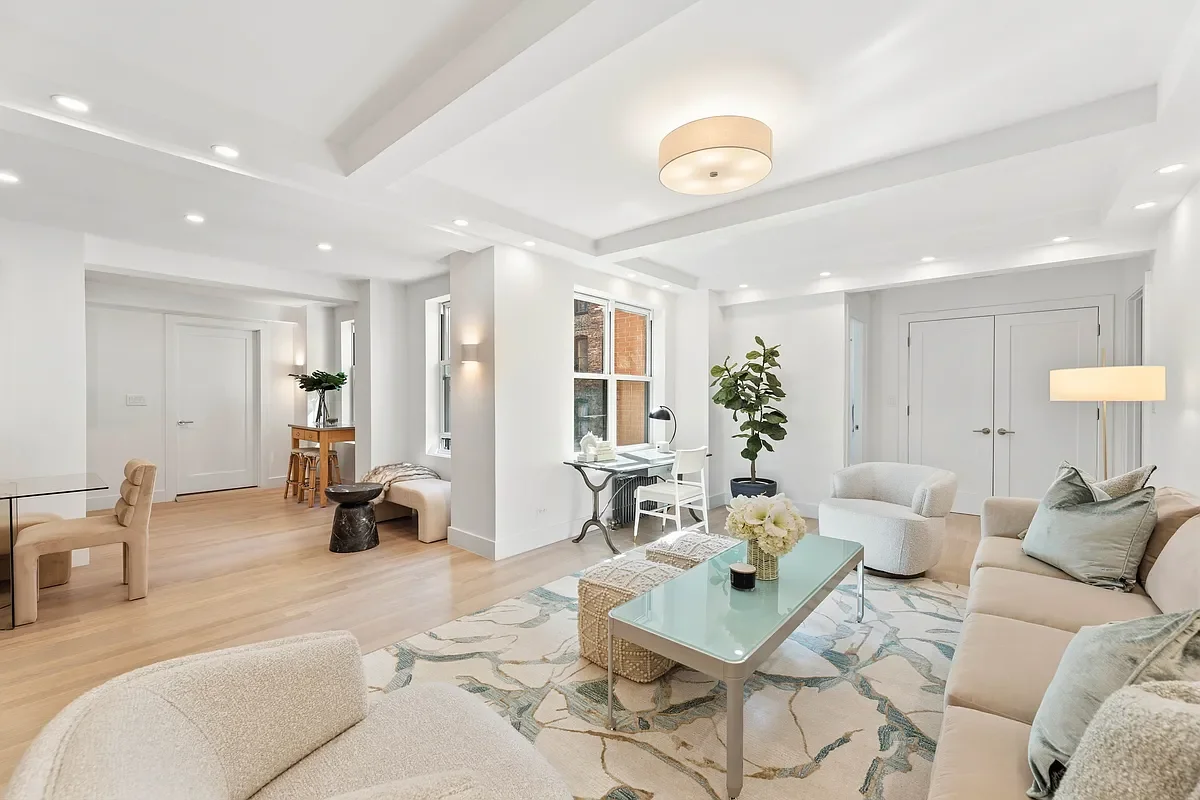
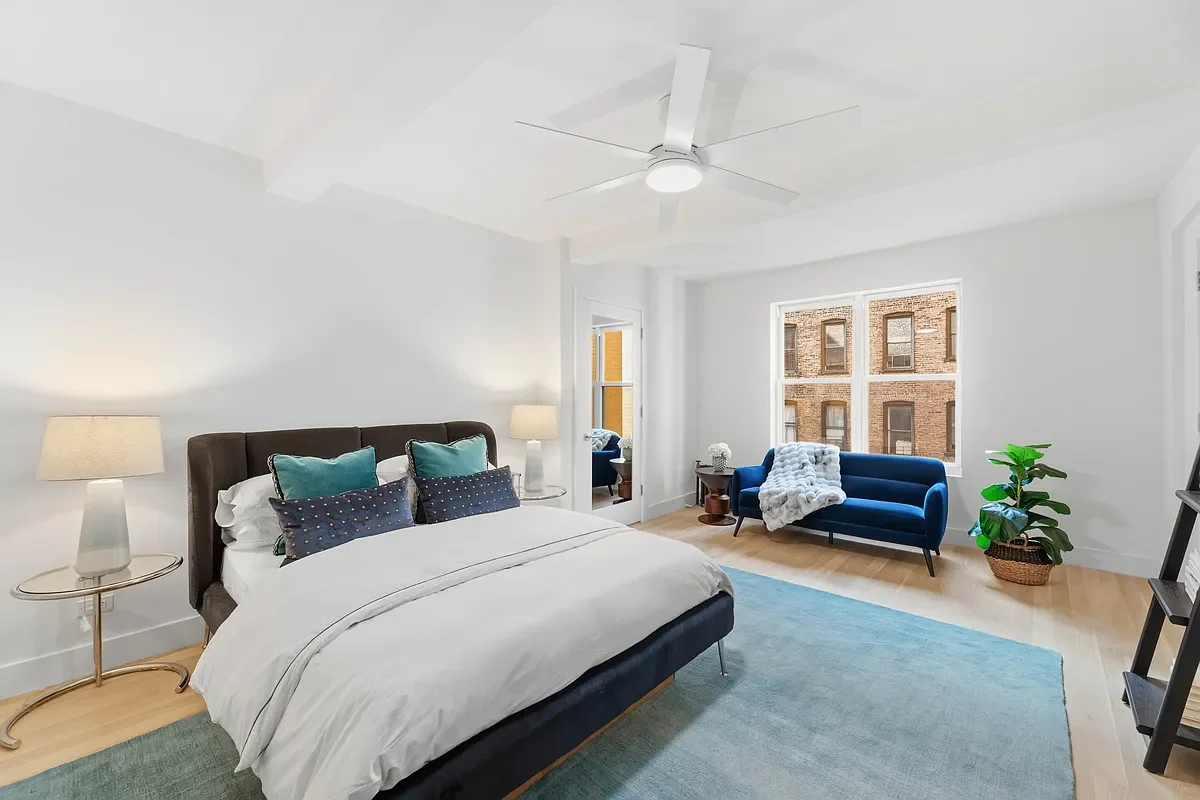
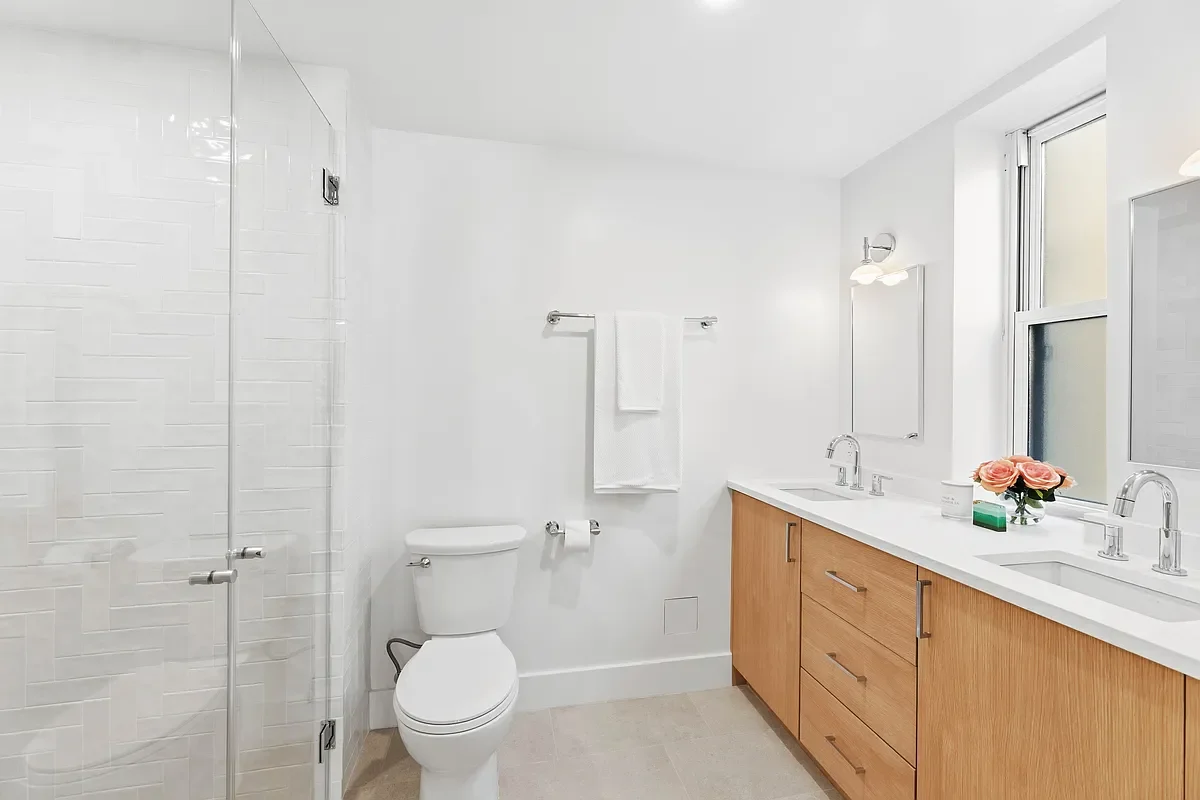
A gut renovated two bedroom, two bathroom co-op with a spacious split bedroom layout and no board approval required, allowing for a fast closing. The home features new oak floors, six custom closets, an in-unit Bosch washer and dryer, and an updated kitchen with quartz countertops, a farmhouse sink and Samsung stainless steel appliances. The primary suite includes a spa like bathroom with radiant heated floors, while a dedicated office area adds flexibility. Built in 1930, the pet friendly Art Deco co-op offers an attended lobby, live in superintendent, 24-hour laundry, bike and storage rooms. The lobby also has remnants of detailed workmanship such as the terrazzo floor, coffered ceilings, bronze mail box shoot, and ornate brass elevator moldings.
A Different Pace of Manhattan Life
Manhattan Valley also has something that can be surprisingly hard to find in the city: a little breathing room.
The streets are residential. Central Park is right next door, and Morningside Park is just a short walk away. There are schools, community organizations, churches, and longtime businesses woven into the neighborhood.
You’re also still incredibly connected to the rest of the city. Broadway brings plenty of activity, the Upper West Side is right outside your door, and Columbia University is nearby.
So you get the energy and convenience of Manhattan, but there are moments when the neighborhood feels a little removed from all of it.
Why Manhattan Valley?
For anyone considering Manhattan Valley, the appeal is pretty straightforward. You get beautiful architecture, convenient access to Central Park and the rest of the Upper West Side, and a neighborhood filled with local businesses and everyday amenities.
It's a neighborhood with history and character, but it also feels very much a part of New York today.
When you're looking at real estate here, that's an important part of the picture. You're not just choosing an apartment. You're choosing the streets you'll walk, the places you'll stop, and the neighborhood you'll come home to.
If you're thinking about buying, selling or simply exploring a new part of Manhattan, Teresa Alessandro and the Making NYC Home Team would love to help you discover what makes each neighborhood unique and find the place that feels right for you.